
The Rissman Lab
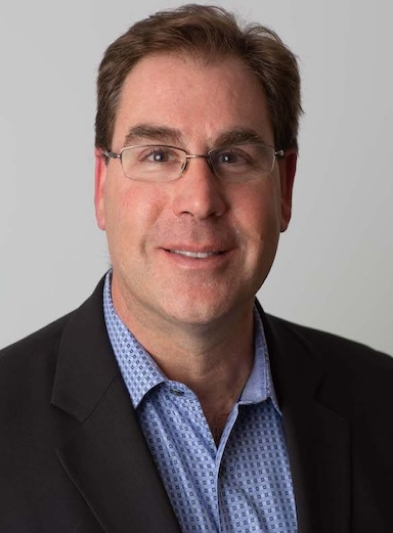
Robert Rissman, PhD
Dr. Rissman is Professor of Physiology and Neuroscience and the W.M. Keck Endowed Chair in Medicine at the University of Southern California (USC).
The NTRD is comprised by a wet laboratory space and a large biorepository of -80 freezers to store specimens from clinical trials and longitudinal cohort studies.
Using biobanked human specimens, animal and cell models, the goal of Dr. Rissman’s basic science research is to identify and validate plasma biomarkers for Alzheimer’s Disease and Related Disorders (ADRD) to better understand mechanisms of neurodegeneration and to streamline clinical trials recruitment.
Work from Dr. Rissman’s lab has led to the validation of plasma biomarkers that predict AD brain neuropathology and progression of dementia and through analysis of plasma-derived extracellular vesicles, his group was also the first to demonstrate that TDP-43 protein within astrocyte extracellular vesicles can identify Limbic-predominant age-related TDP-43 encephalopathy (LATE). Using animal and cell culture models, Dr. Rissman’s lab is focused on understanding how synucleinopathy and other common comorbidities in AD can be identified and treated.
Research
The lab also investigates the contribution of stress and changes in stress signaling intermediates in Alzheimer’s disease neuropathology. Using transgenic mice and in vivo pharmacology, experiments are focused on identifying the role of corticotropin-releasing factor (CRF) receptors in beta-amyloid deposition, tau phosphorylation and behavioral and synaptic changes.
PUBLICATIONS
Contact
Epstein Family Alzheimer's Therapeutic Research Institute (ATRI)
Keck School of Medicine at USC
9800 Mesa Rim Rd, San Diego, CA 92121